2023.07.09 · AI-translated
About 台灣建築記憶
My recent new work, 台灣建築記憶, was shown and sold at Proof of X - Blockchain As A New Medium For Art -, held in Daikanyama, Tokyo, from 2023/6/17 to 6/25. It was my first time taking part in an in-person event overseas, so I wanted to write a post introducing this piece.
Before starting
In May, I saw this message on the fxhash Discord. I was pretty worried about whether I could do it well, or even finish it, in only about three weeks, but I didn’t want to miss the chance, so I signed up anyway.
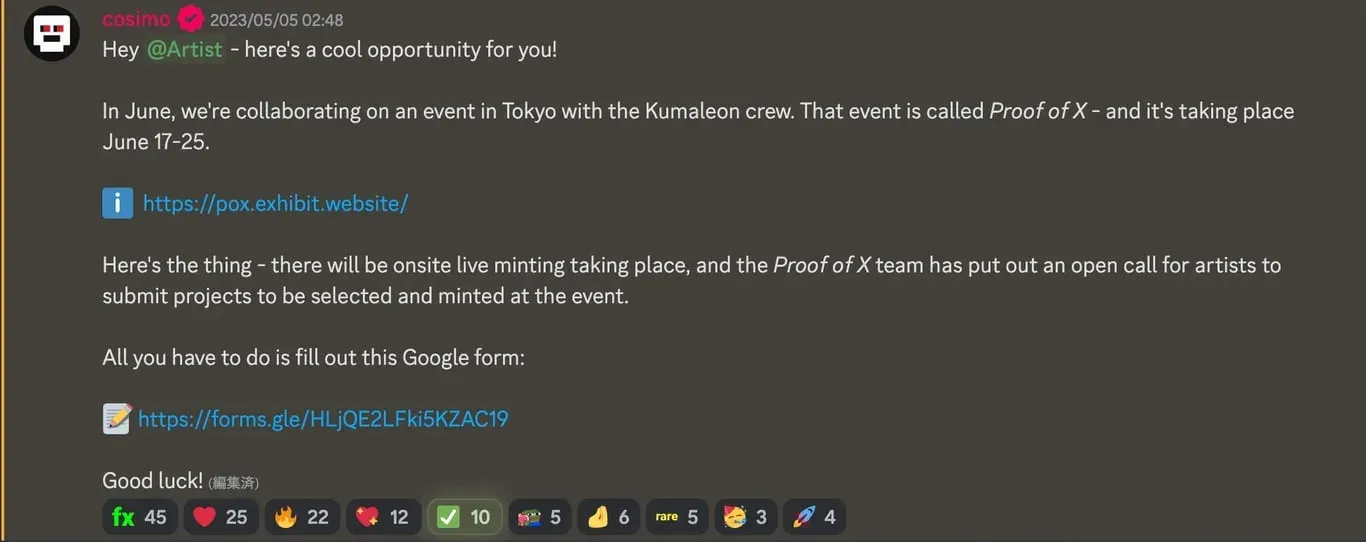
As I understand it, Proof of X is a physical art exhibition rooted in Web3 but held in the real world. Last year they did the first edition under the theme “NFT as New Media Art”. This year they expanded the theme to blockchain as a whole, and the selection included more works focused on smart contracts. The part I took part in was a curated program led by KUMALEON (Toshi) in collaboration with fxhash: five Japanese and five international artists were selected to make generative art works within a set period and release them on fxhash, and at the venue visitors could adjust the parameters themselves and buy the result.
When I saw this year’s theme, “Blockchain As A New Medium For Art”, my first idea was to make generative art driven by on-chain data like sales or transfer history. For example, half a year ago I made a coral series of five works. The first four were released on fxhash, and the last one on akaswap in Taiwan. That last one checks whether the viewer’s wallet holds any of the first four works, and if it does, the coral it finally generates changes accordingly.
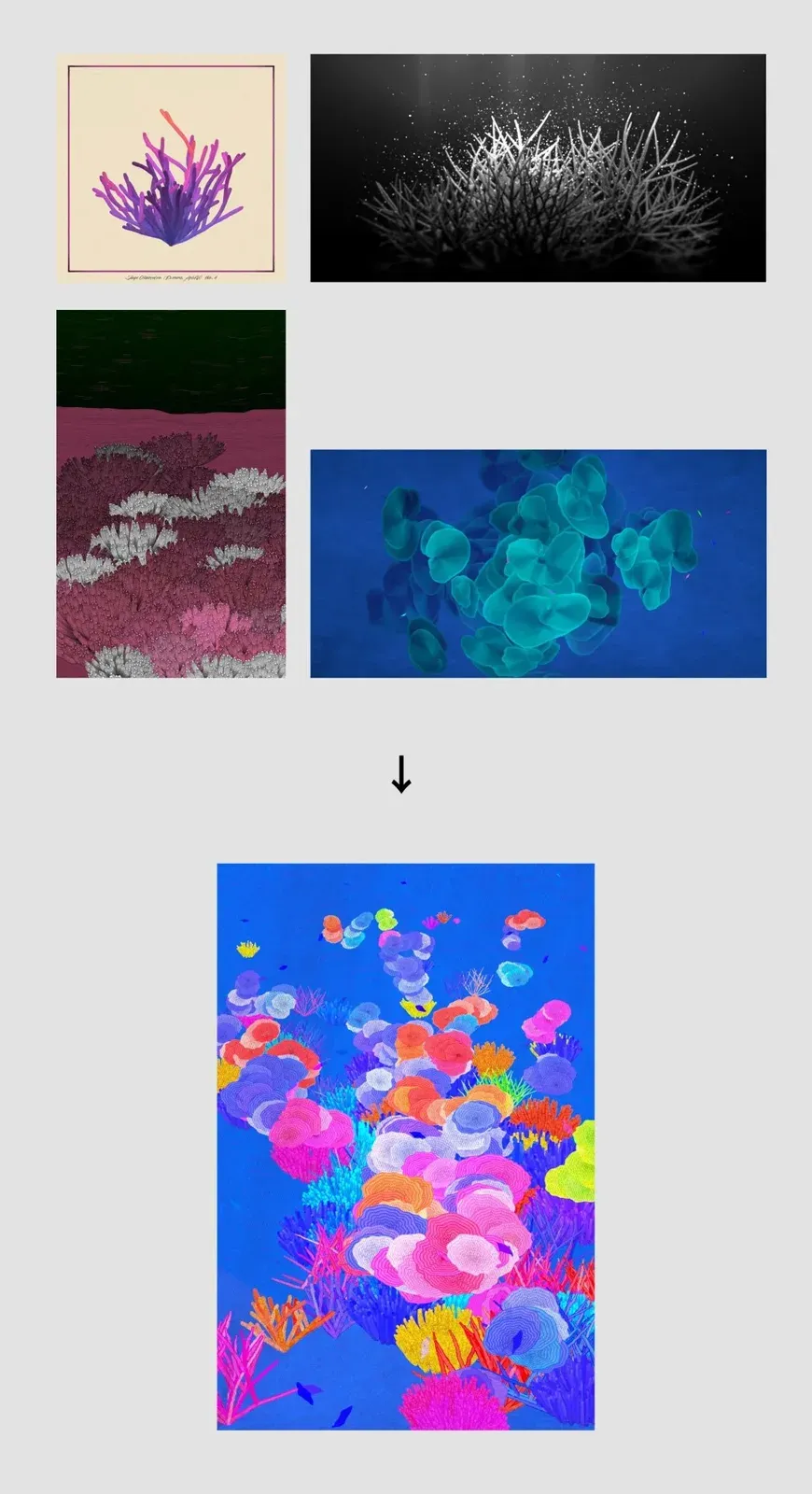
But fxhash isn’t that kind of platform. They don’t allow any outgoing HTTP requests in a work. So I changed my thinking: it’s thanks to the convenience of Web3 that a work can cross borders this easily, not just being “delivered” to the venue, but also letting visitors live mint (buy a work generated on the spot, right there). Starting from that, I eventually figured that among the ten participants, the theme I was best suited to, more than anyone else, was “Taiwan”.
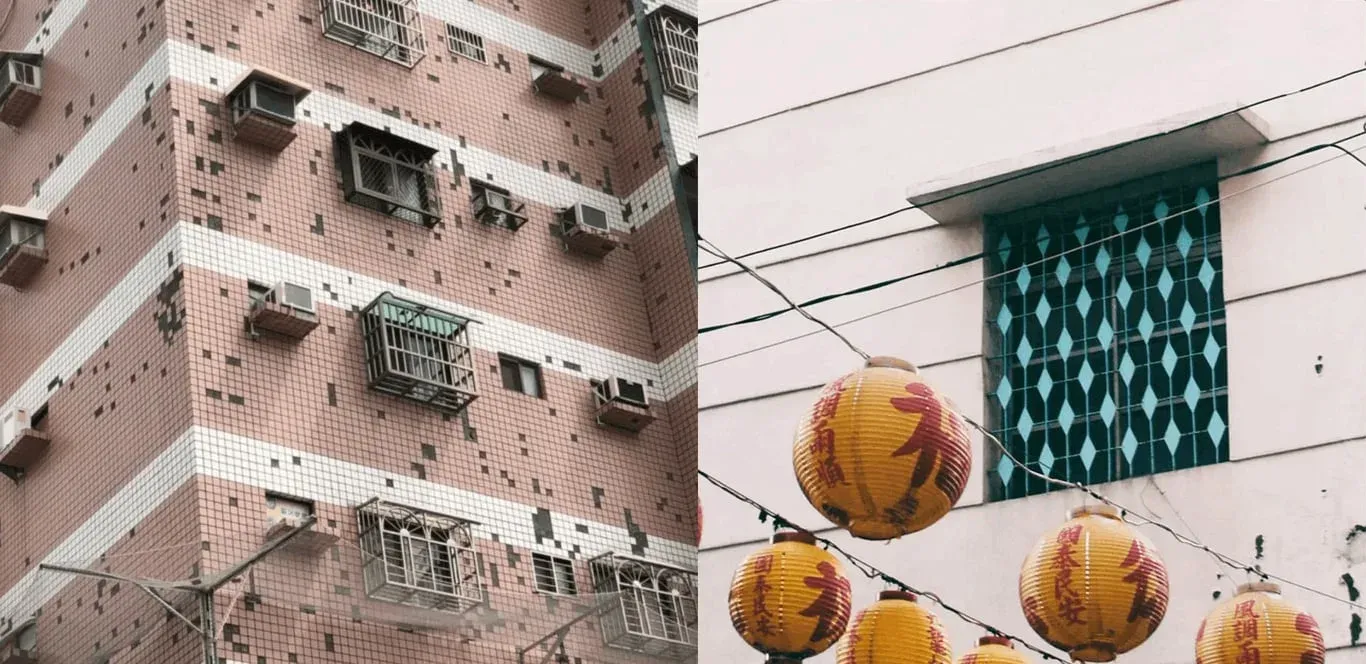
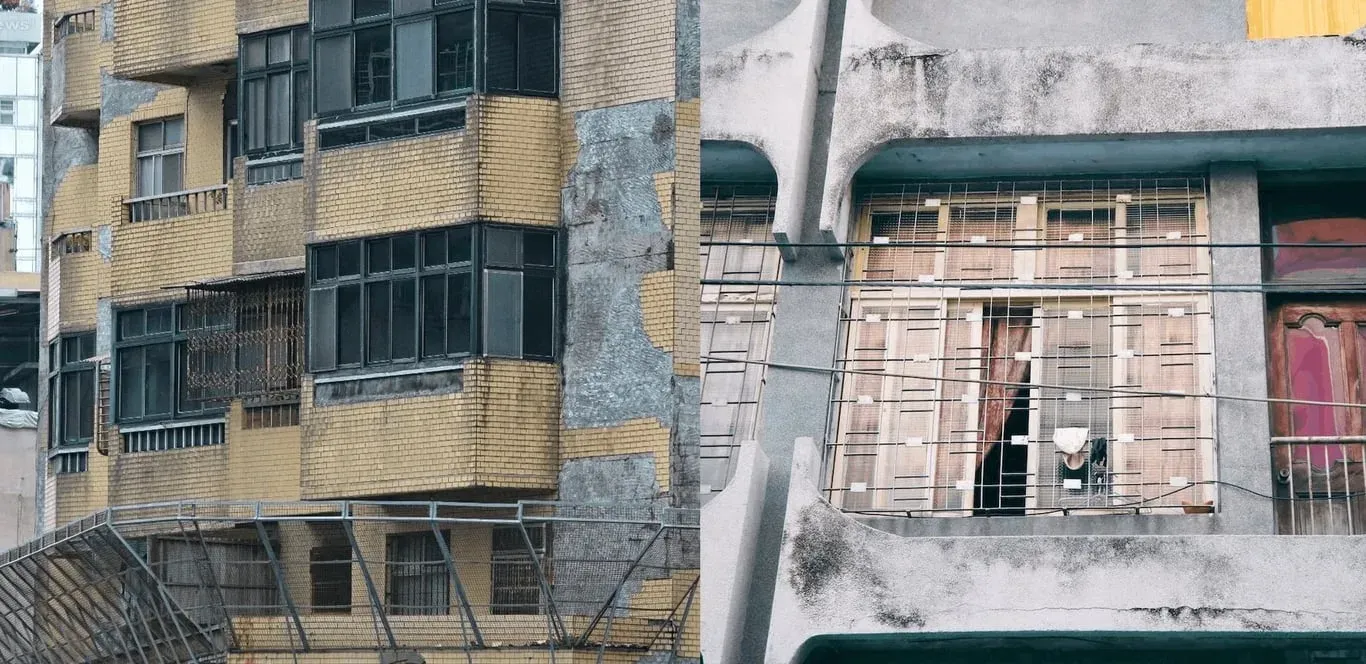
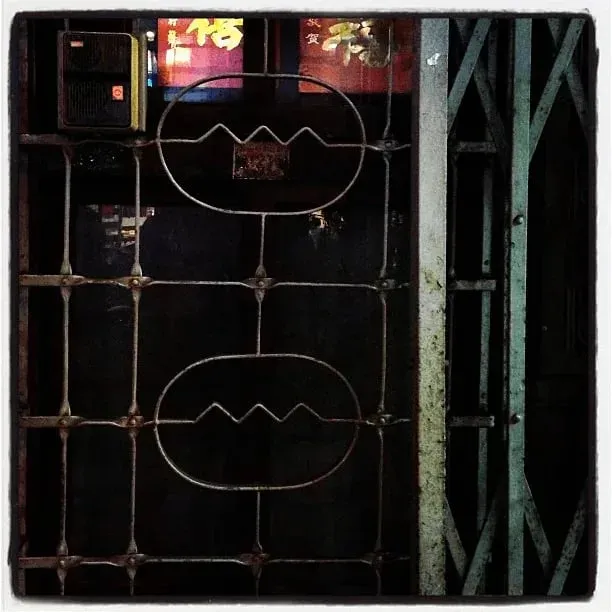
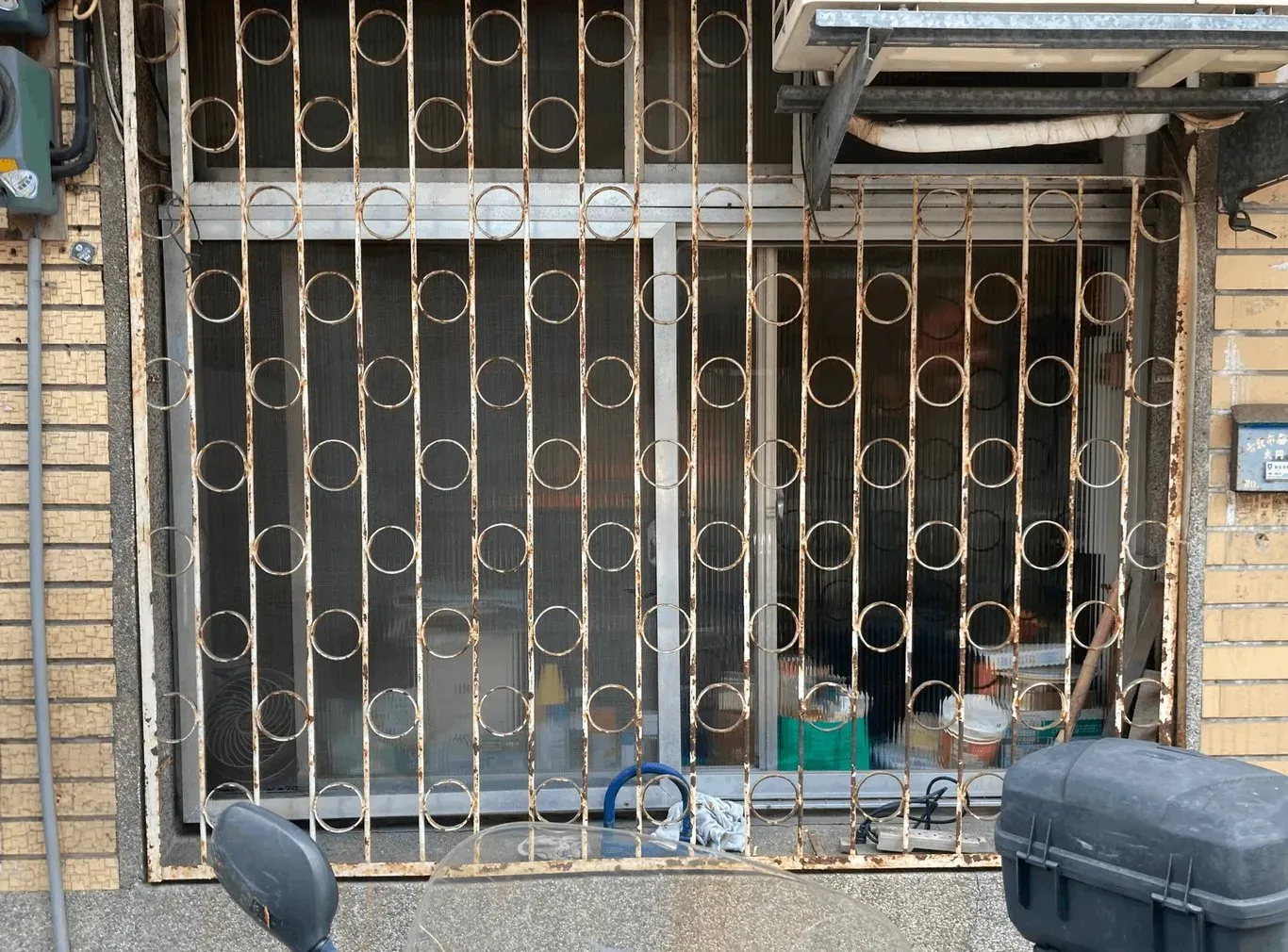
Among everyday things in Taiwan, what is very Taiwanese and also very generative art? I thought of iron window grilles (鐵窗花). Then I started gathering references on Pinterest and Google. Iron window grilles are a really common subject in Taiwanese cultural and creative design, but probably hardly anyone had played with them in generative art yet. Thanks to that, I could pull up tons of photos without even trying.
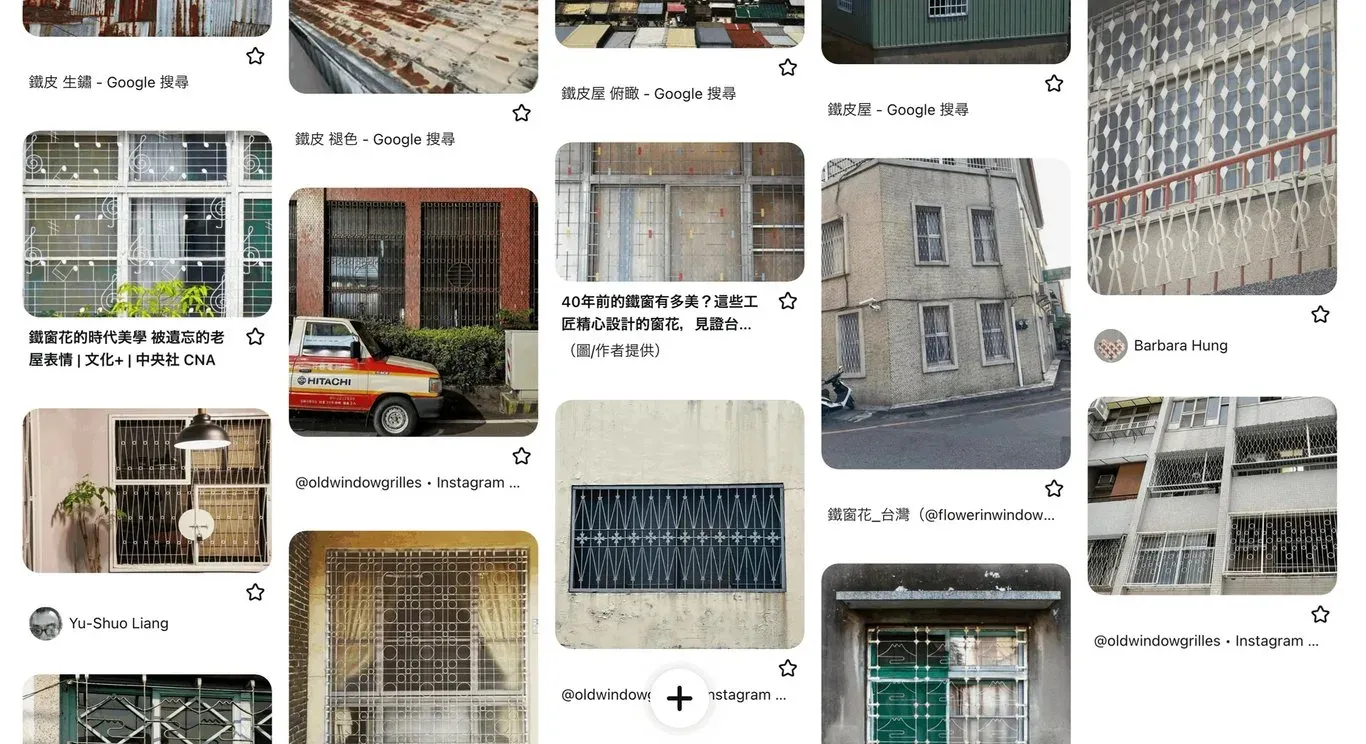
This article (in Japanese) has a more detailed introduction to iron window grilles.
Process and variety
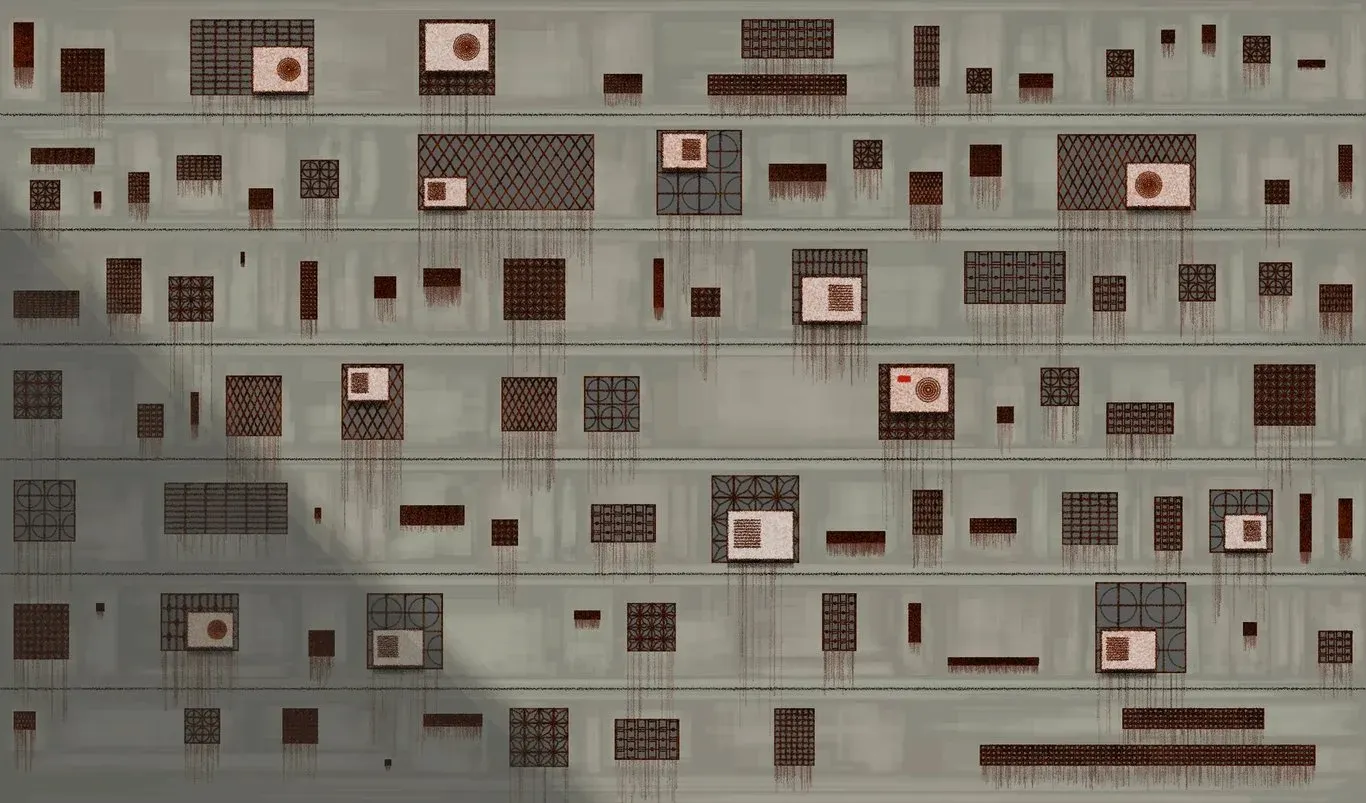
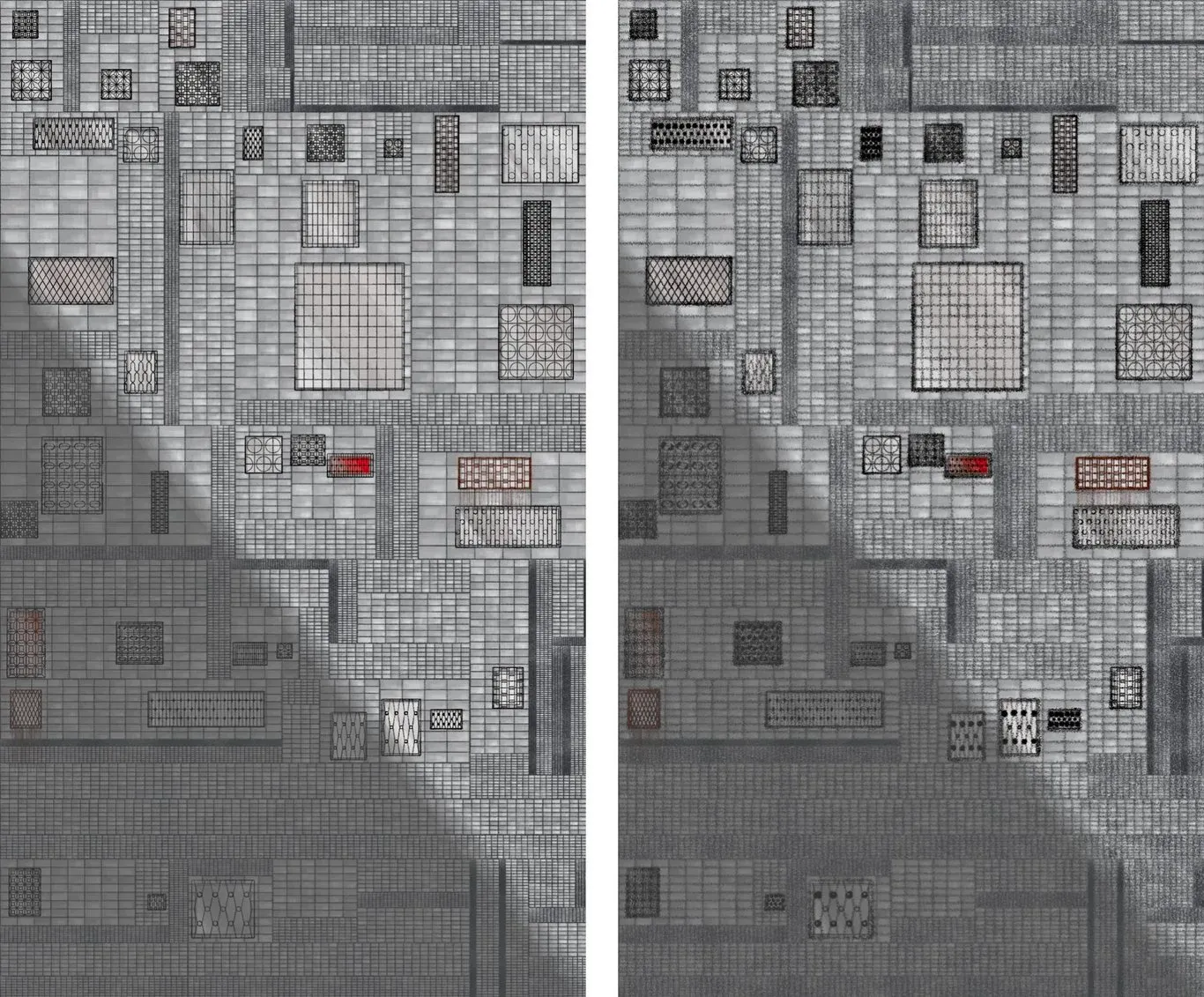
At the beginning I only made windows. I used a subdivision method that shows up a lot in generative art: a rectangle is repeatedly split horizontally or vertically into two rectangles, and this splitting repeats until it reaches a set maximum recursion depth.
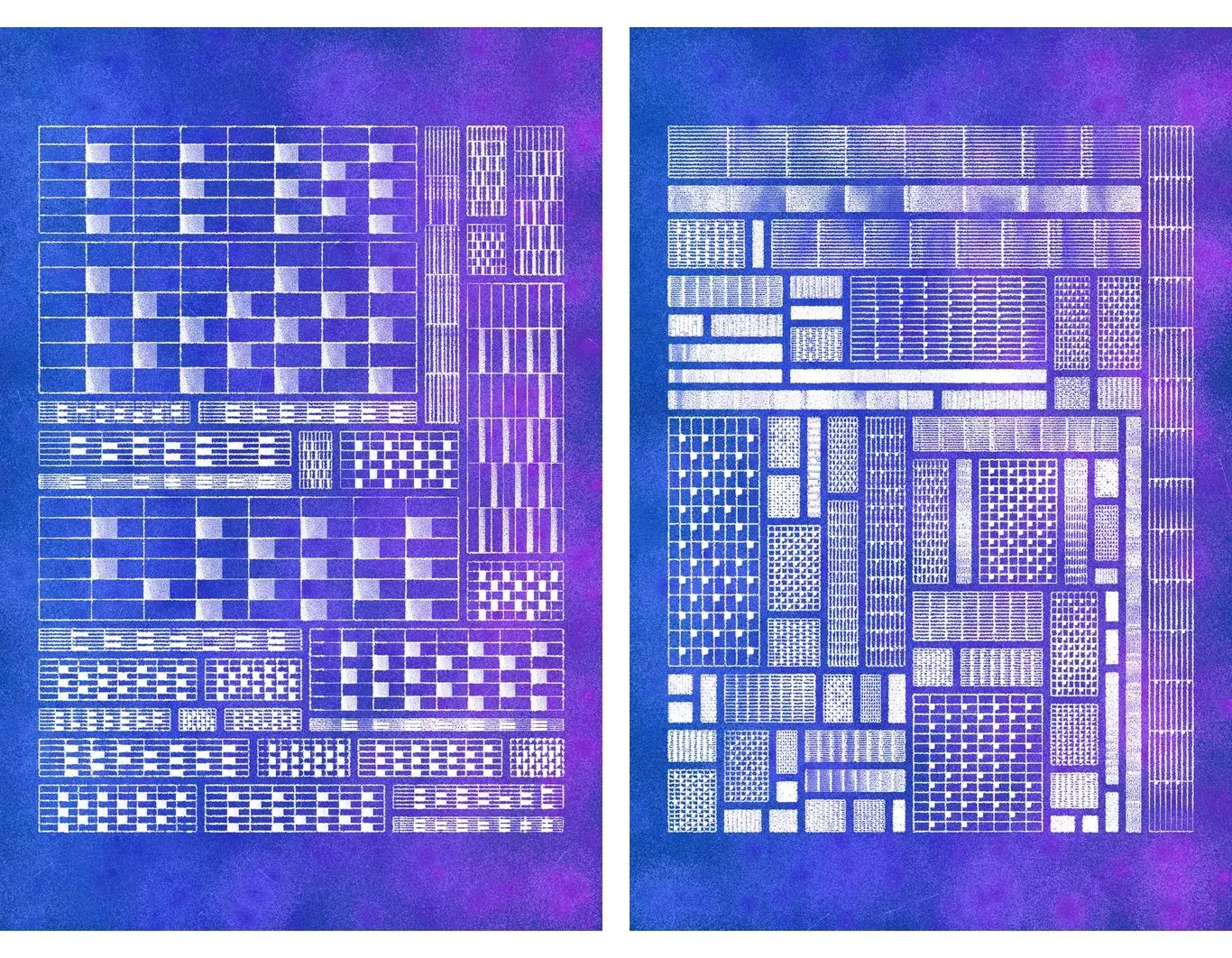
It looked too monotonous and the sense of a “window” was weak, so I tried adding tiles, and right away the image got a lot more interesting.
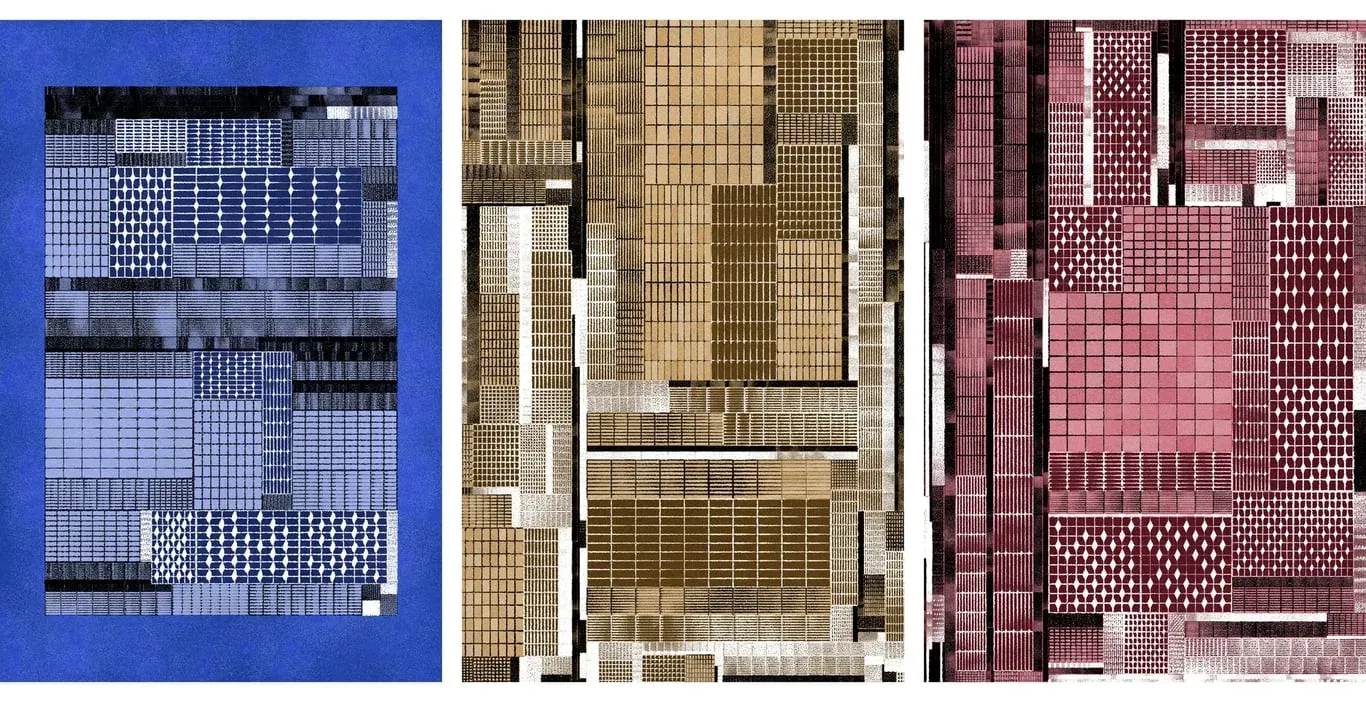
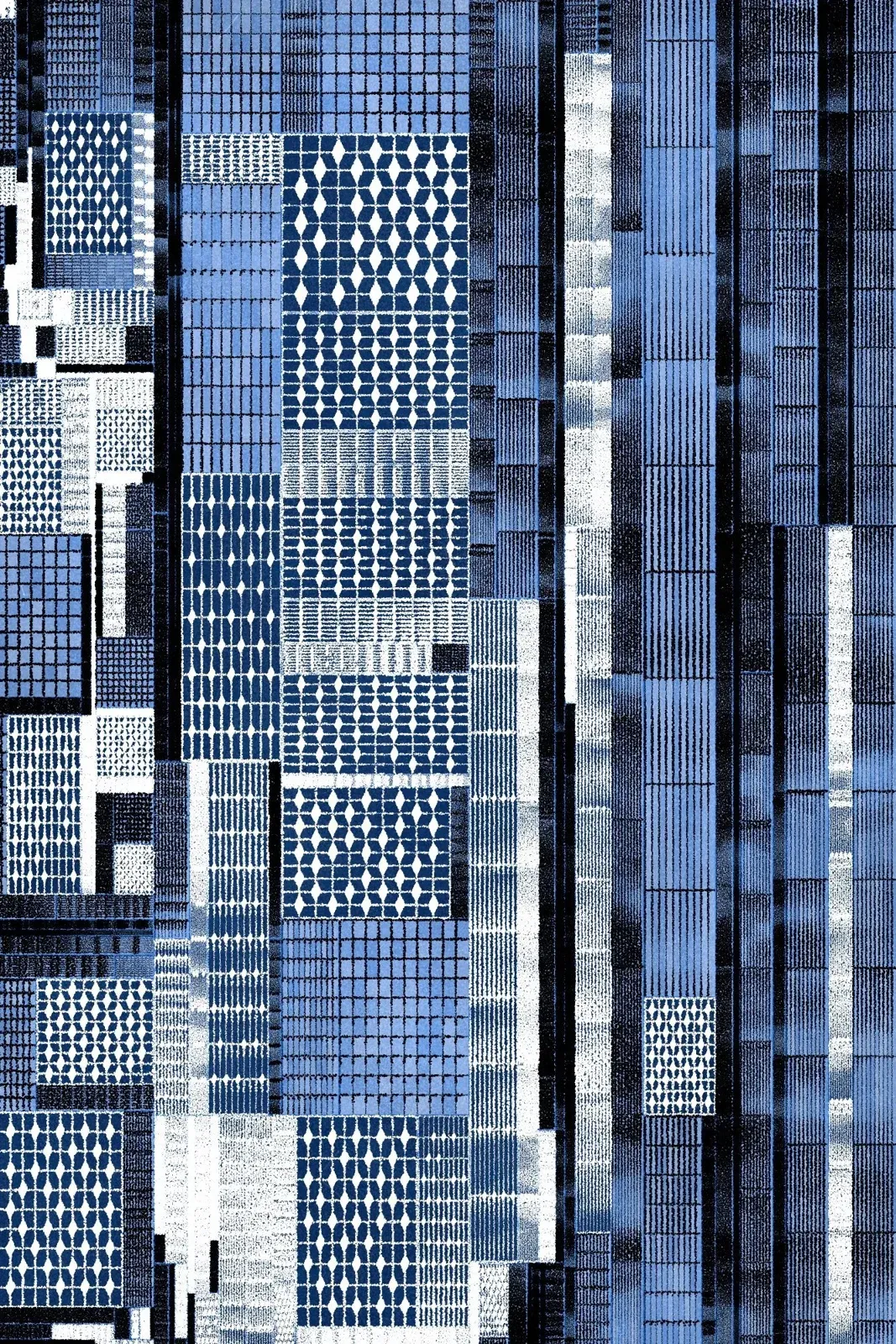
Started treating time as an element
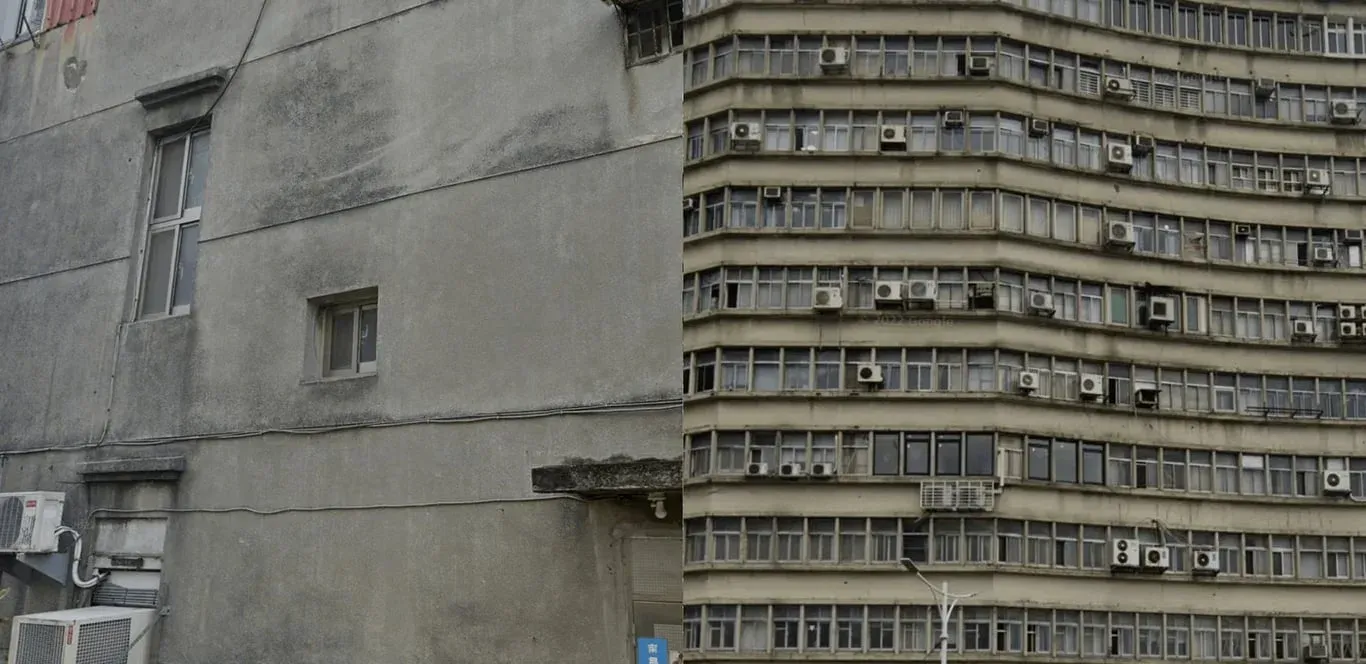
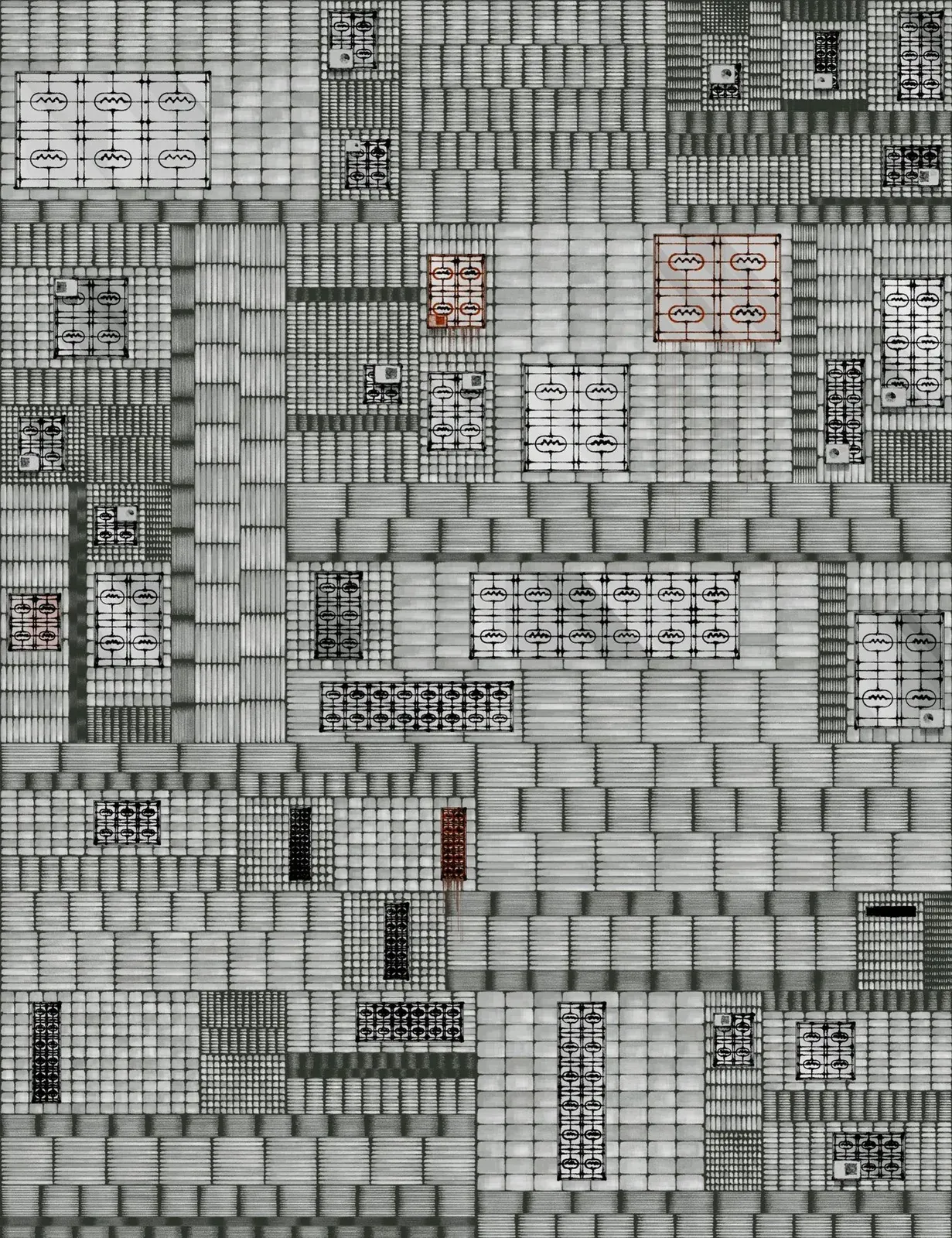
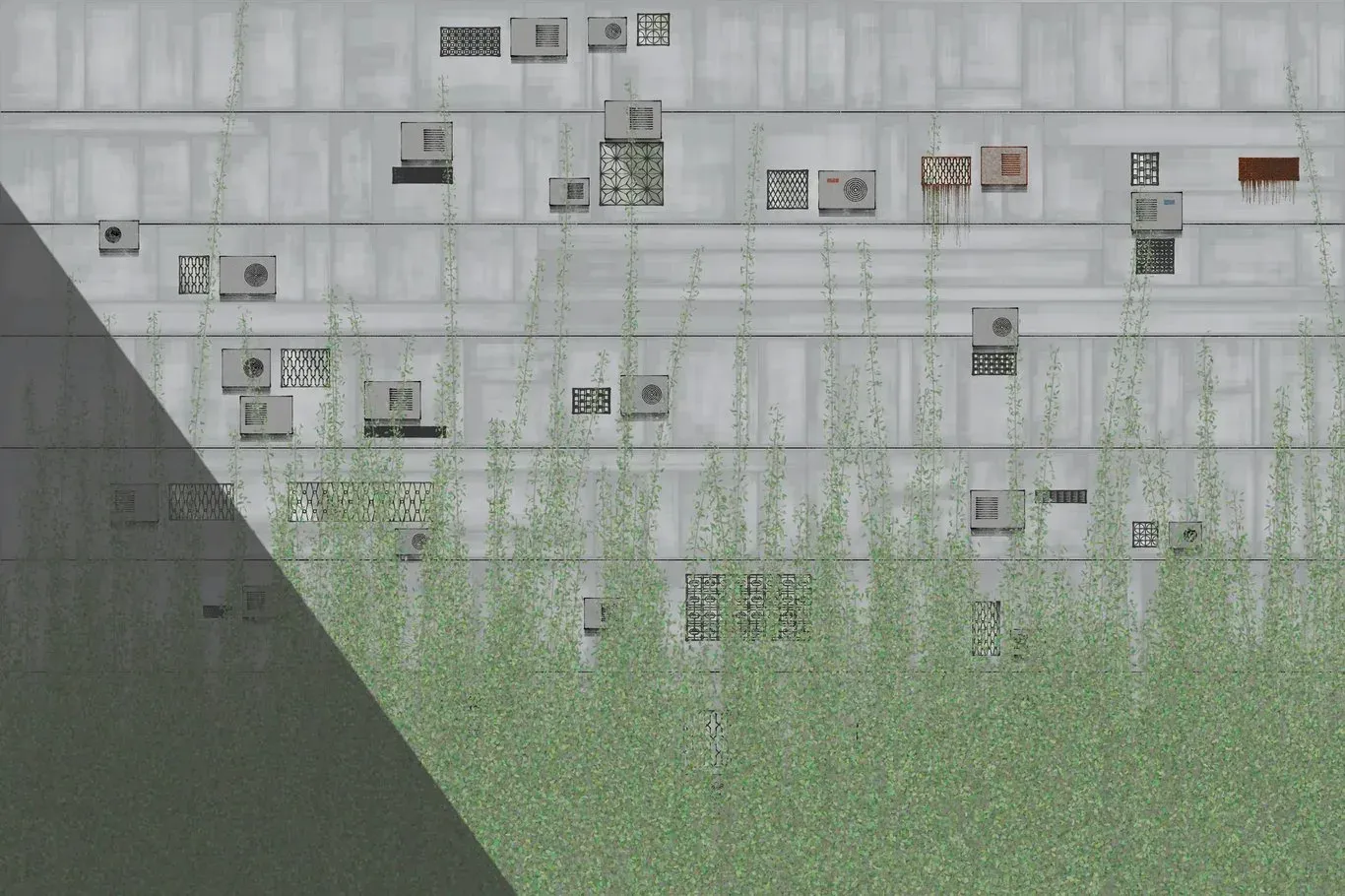
I wanted to make other kinds of walls too, so I made concrete walls (and air conditioners)
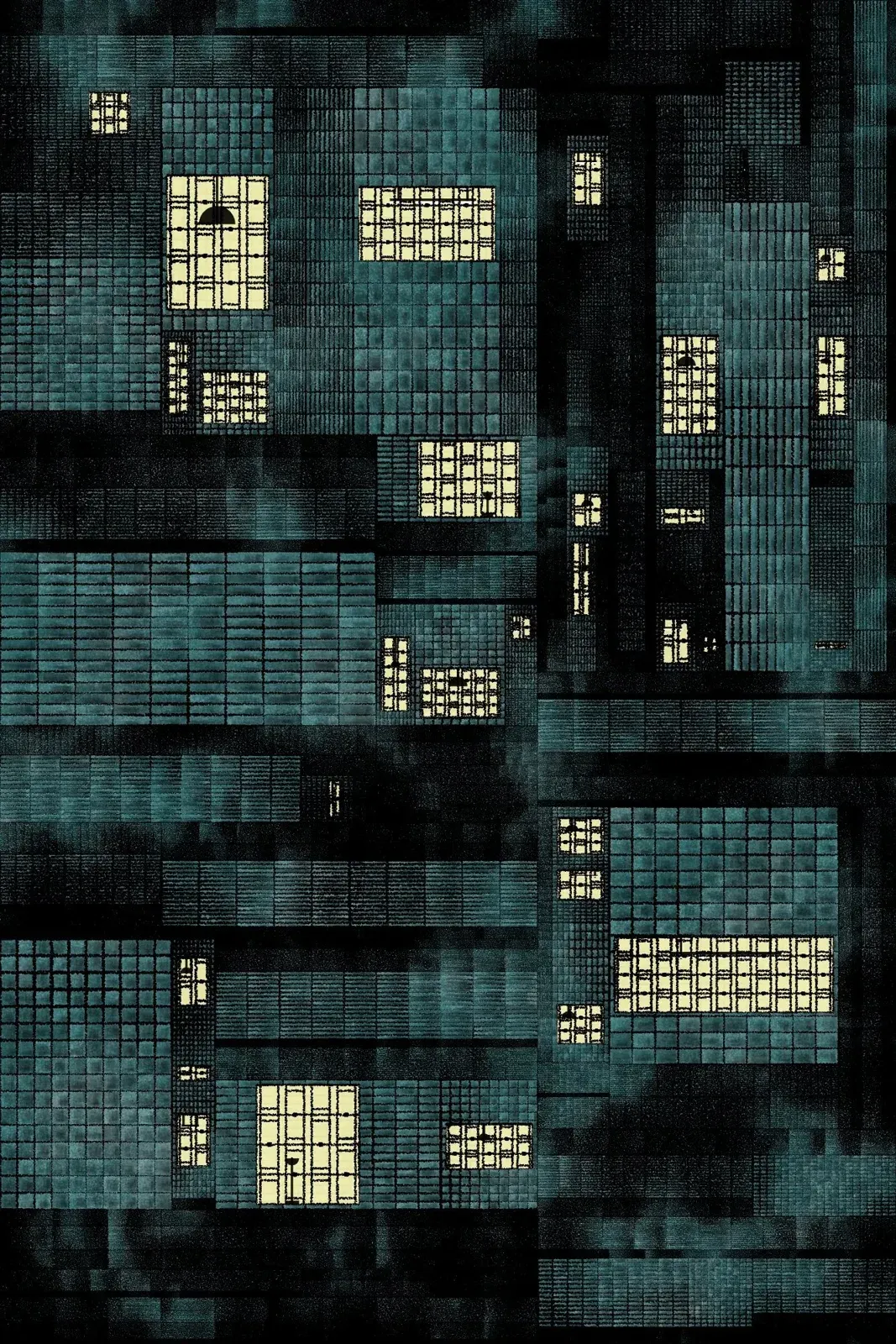
The windows didn’t have enough variation, so I made a few more kinds of windows
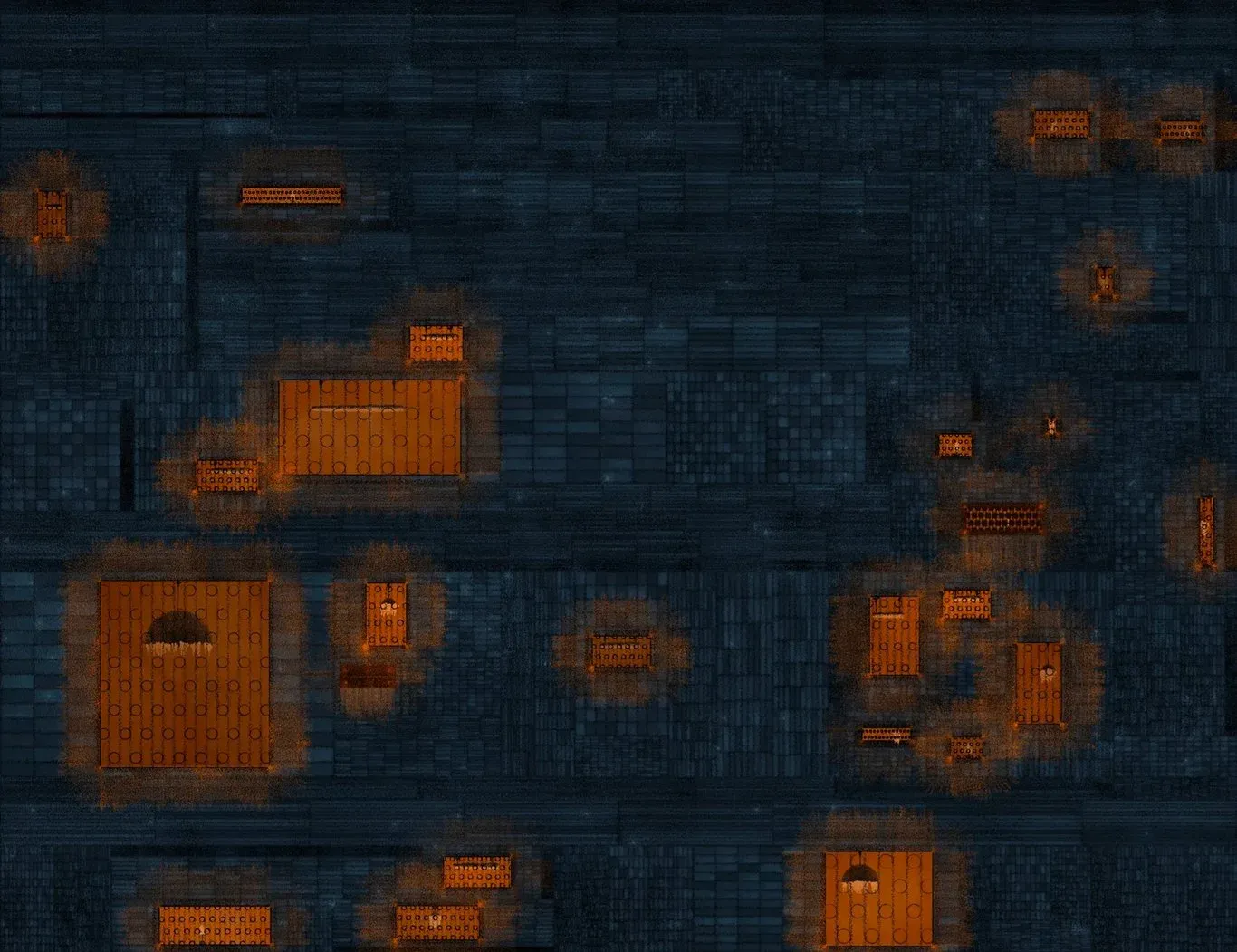
It rains a lot in Taiwan, so I made lots of kinds of rain. (I only found out when I looked it up that Taiwan’s rainfall is three times the world average, but since it can’t be held on to, there are still often water shortages.)
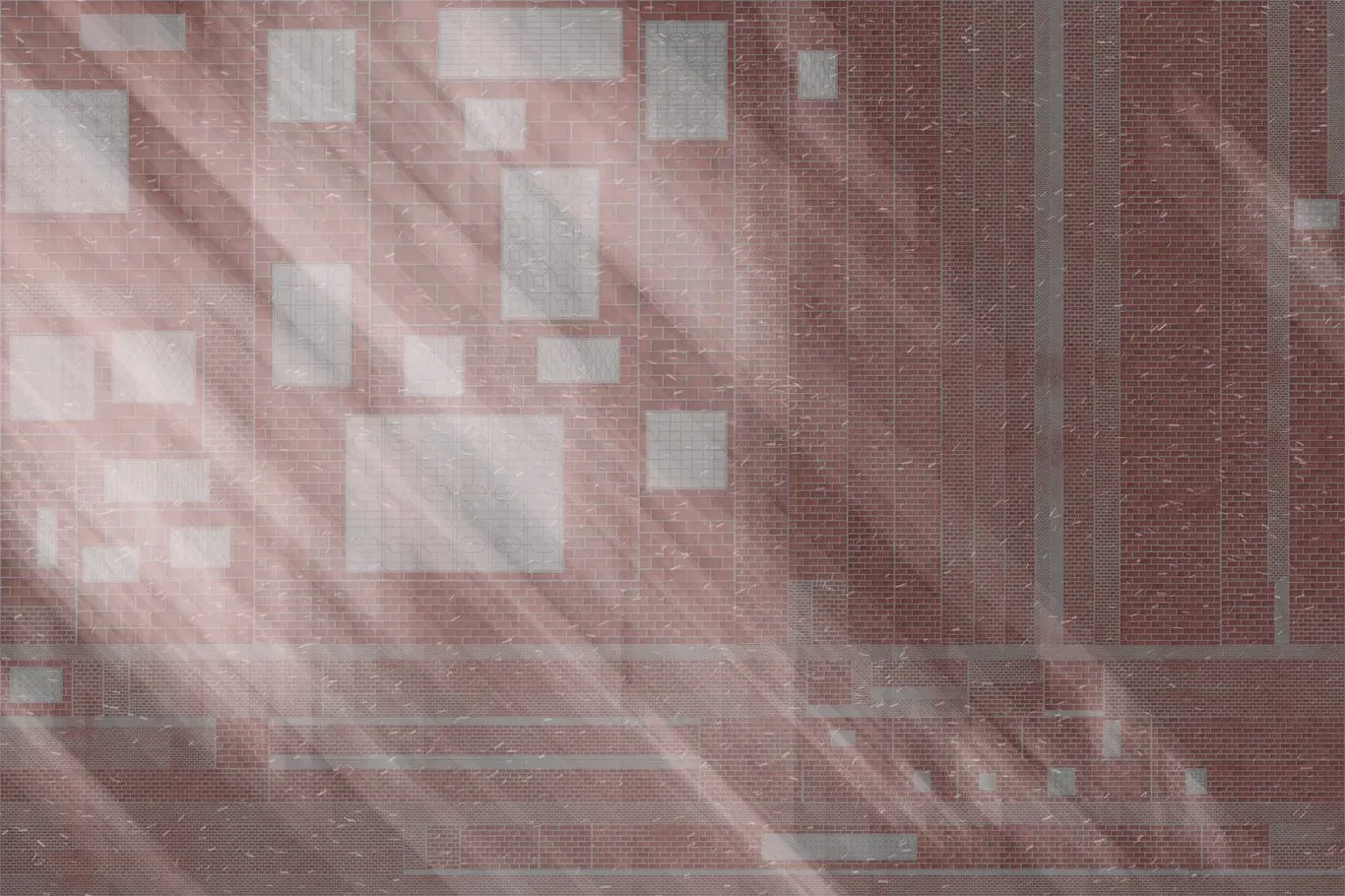
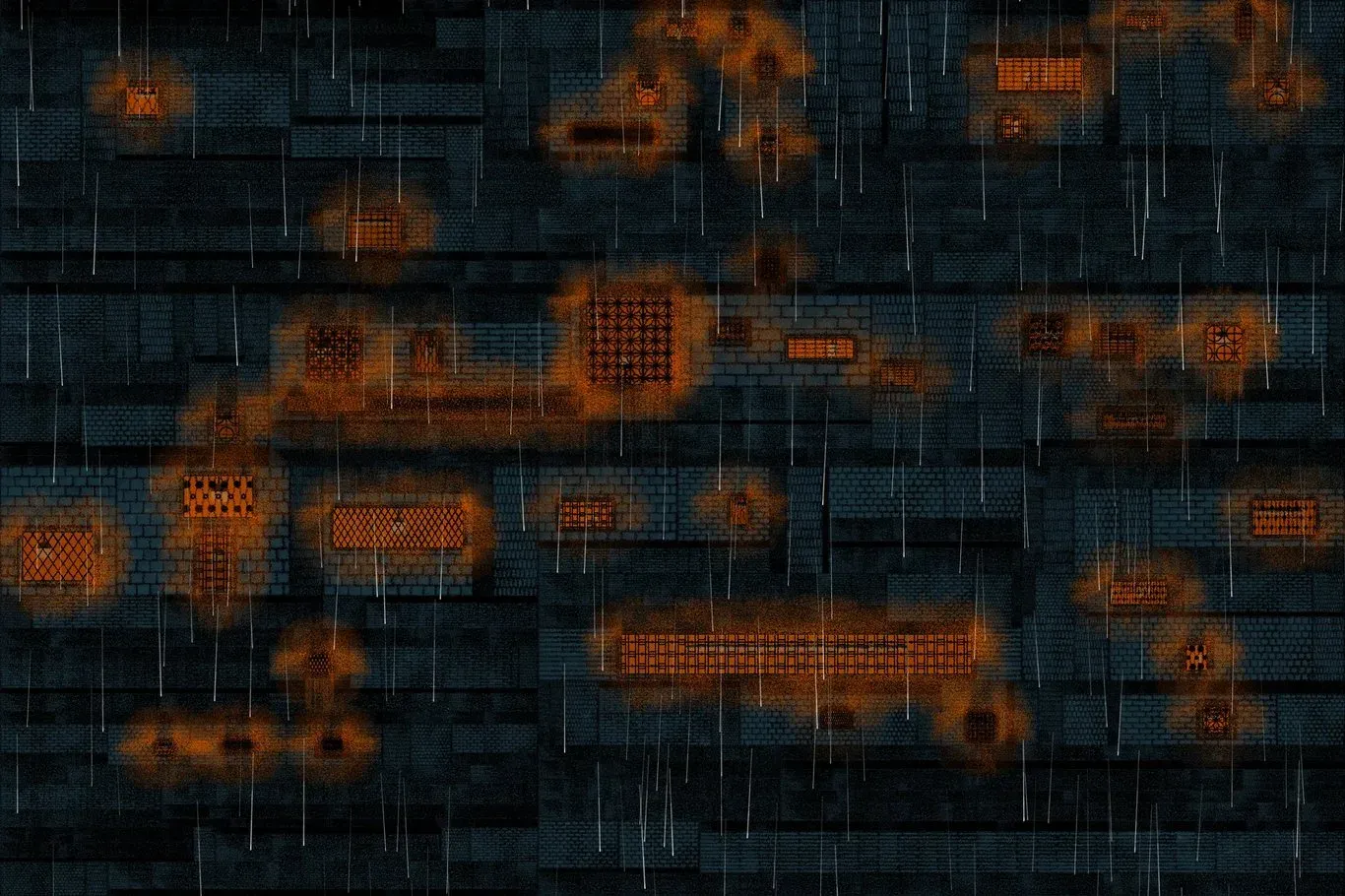
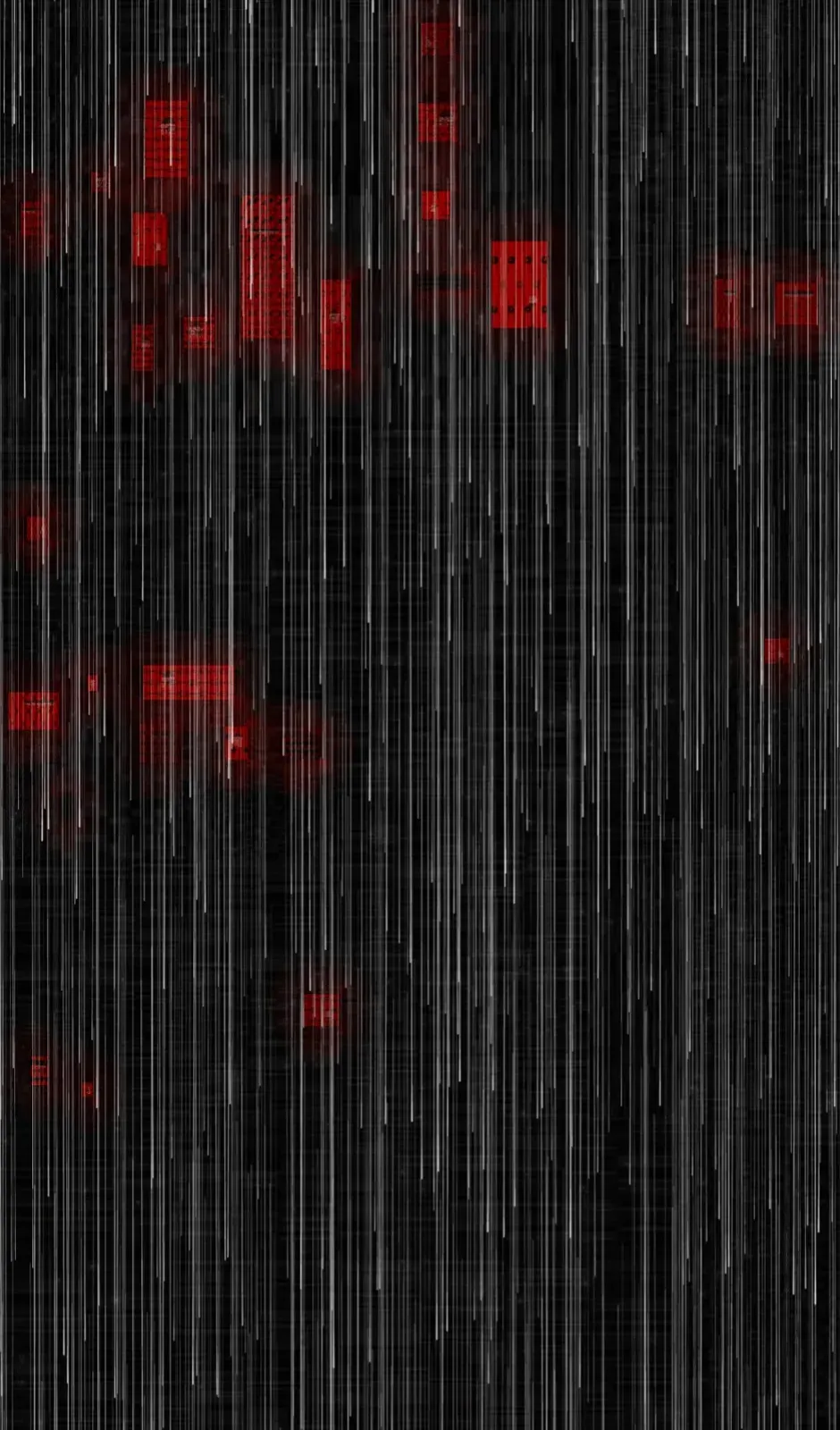
↑ 台灣建築記憶 #7, owned by Lin Yi-Wen. Thank you, Lin!
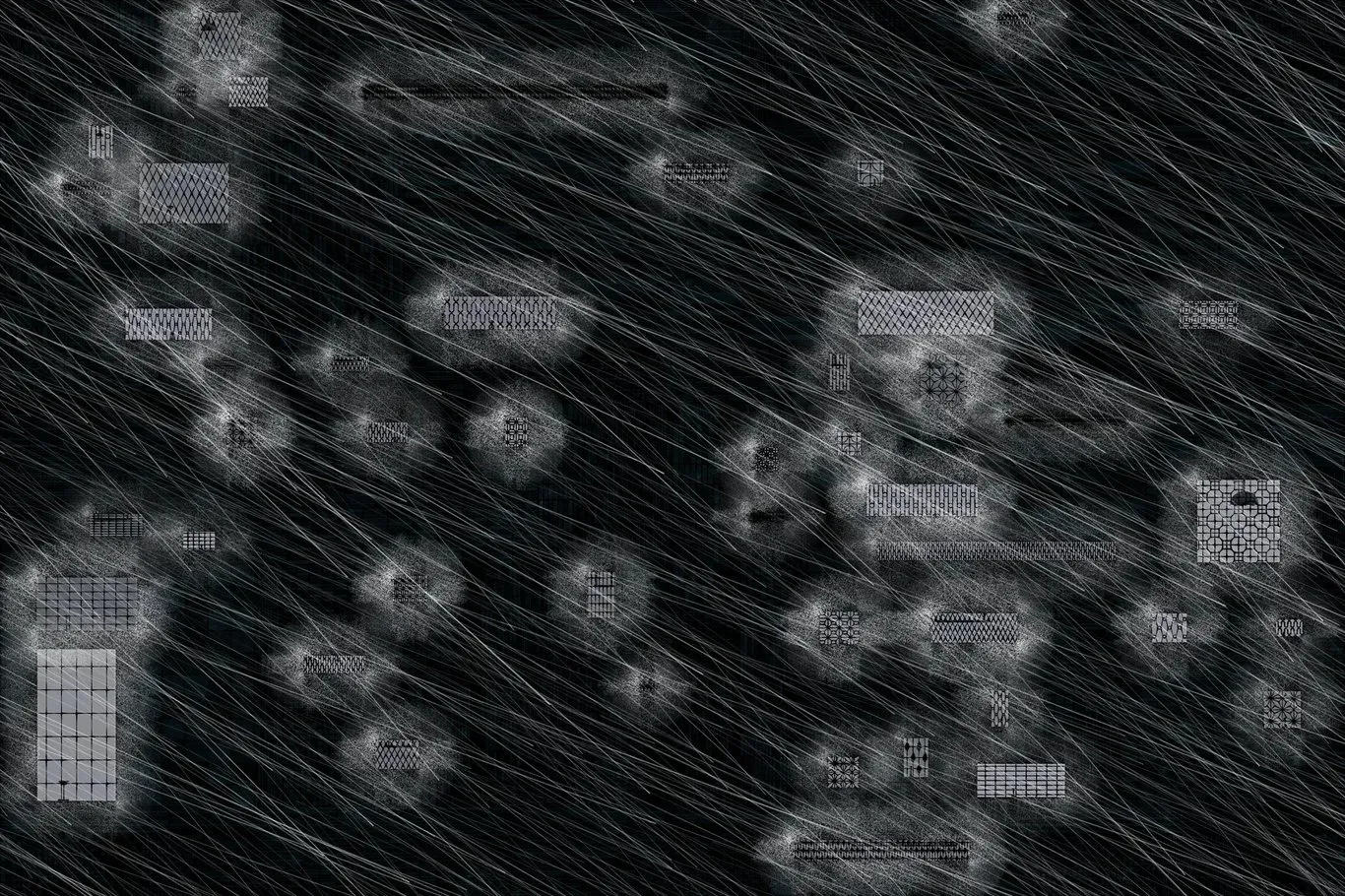
There’s also a rain that never stops, but since I’m only posting screenshots here you can’t really tell.
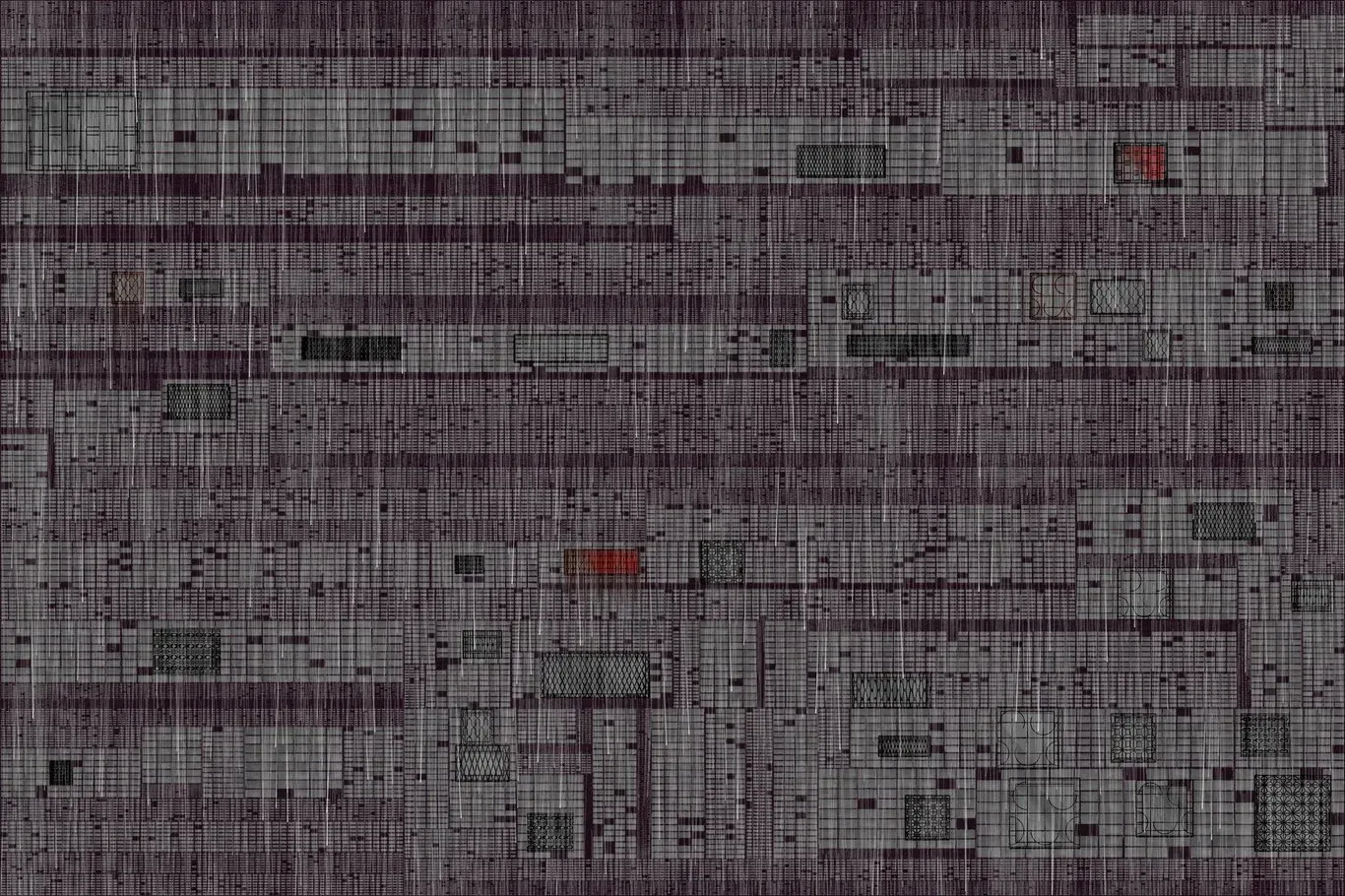
↑ This is 台灣建築記憶 #2, owned by Mattsun02160. Thank you, Matsuhashi-san
Maybe I got a bit greedy, but I also made washed terrazzo and corrugated metal sheds. (Honestly, this probably isn’t great for the work. For Long form generative art, variety matters, but so does consistency. But my memories of Taiwanese architecture are pretty messy too, so I still wanted to put them in.)
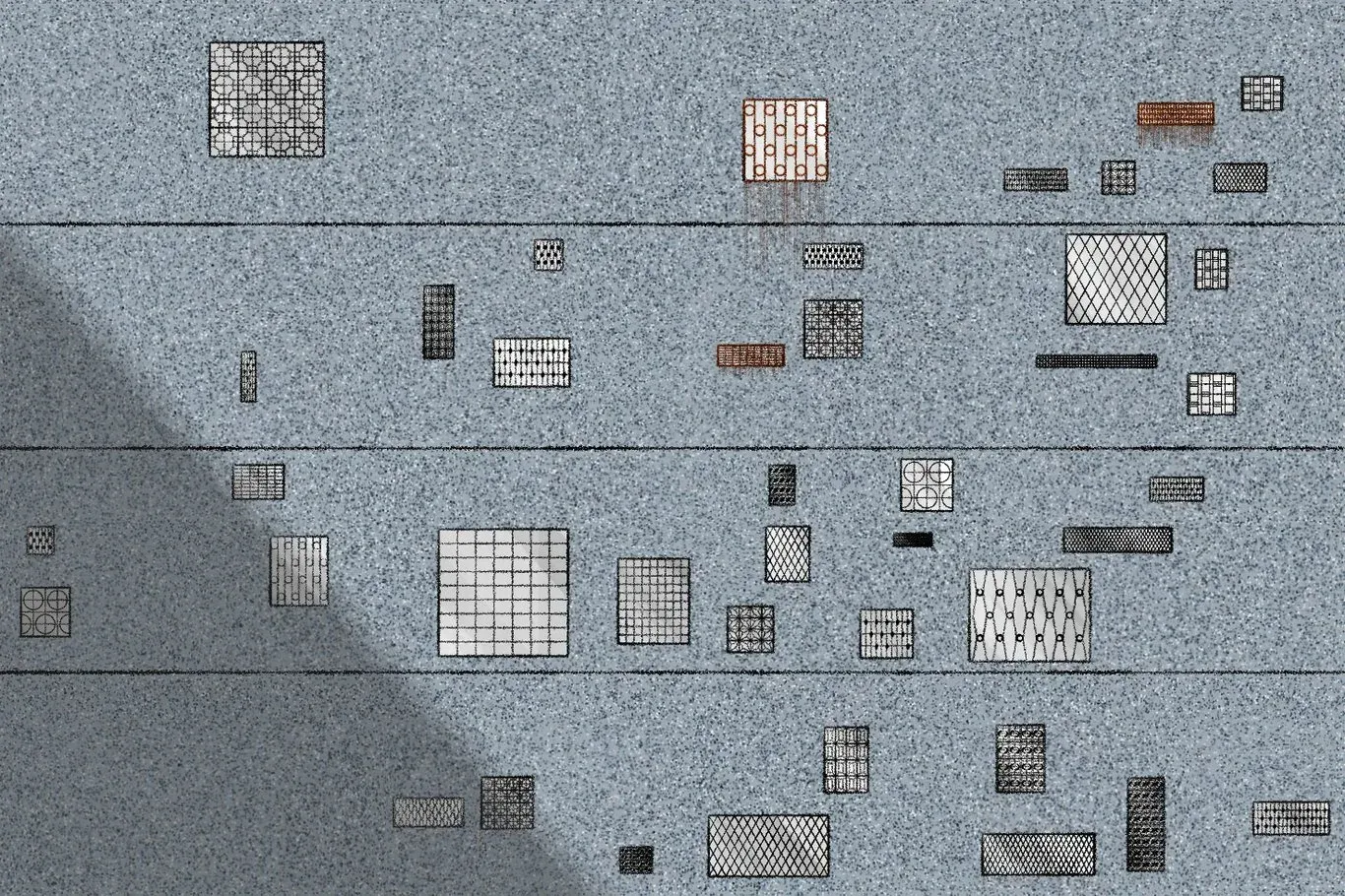
↑ 台灣建築記憶 #30, owned by arttseng. Thank you, arttseng
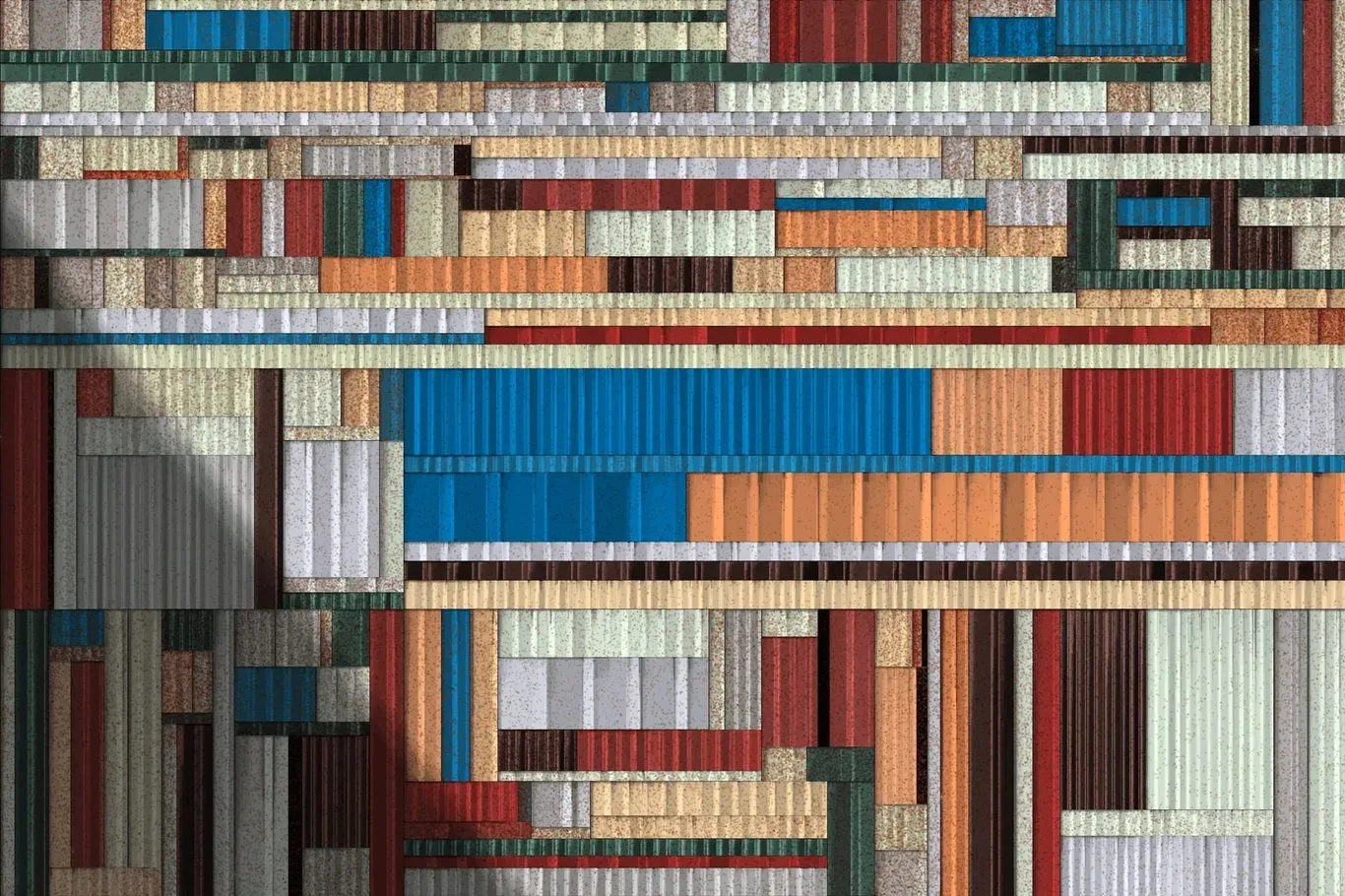
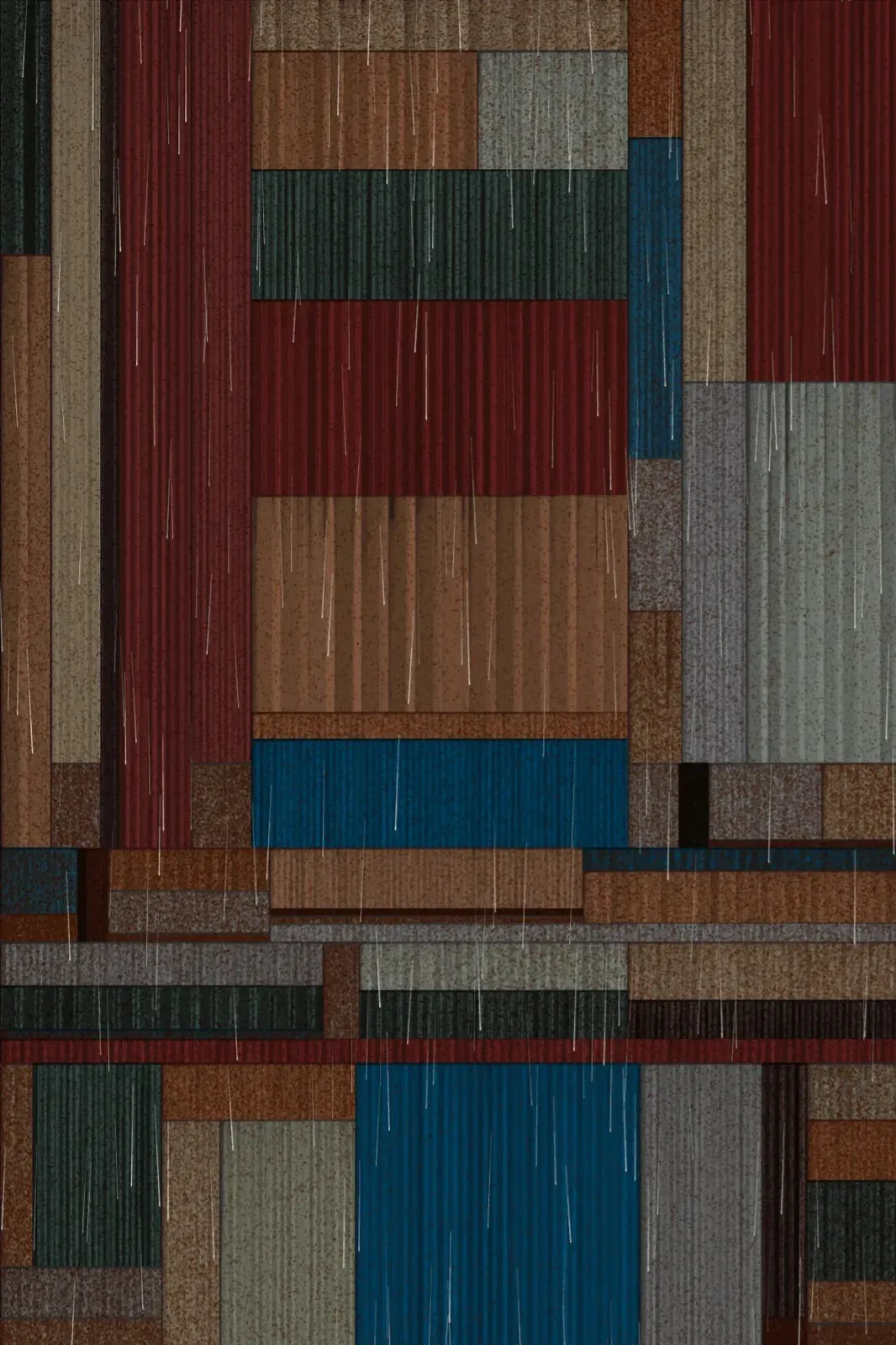
台灣建築記憶 #11, owned by sanjrow. Thank you, sanjrow
Using fx(params)
This time there was a rule of “use at most five params (parameters open for buyers to adjust)”, which turned out to be surprisingly hard. First of all, I didn’t know how well the people visiting the exhibition would understand generative art. If they didn’t understand it well, they might not accept that the preview and the minted result could be different. Because I was worried about that, I used one of the params for specifying the random seed, so editing the parameters would be what-you-see-is-what-you-get.
That left only four for some basic settings (recursion depth, color, preset selection); rain, canvas ratio, time, light and shadow and so on are random.
There are also two other kinds of expression that are random:
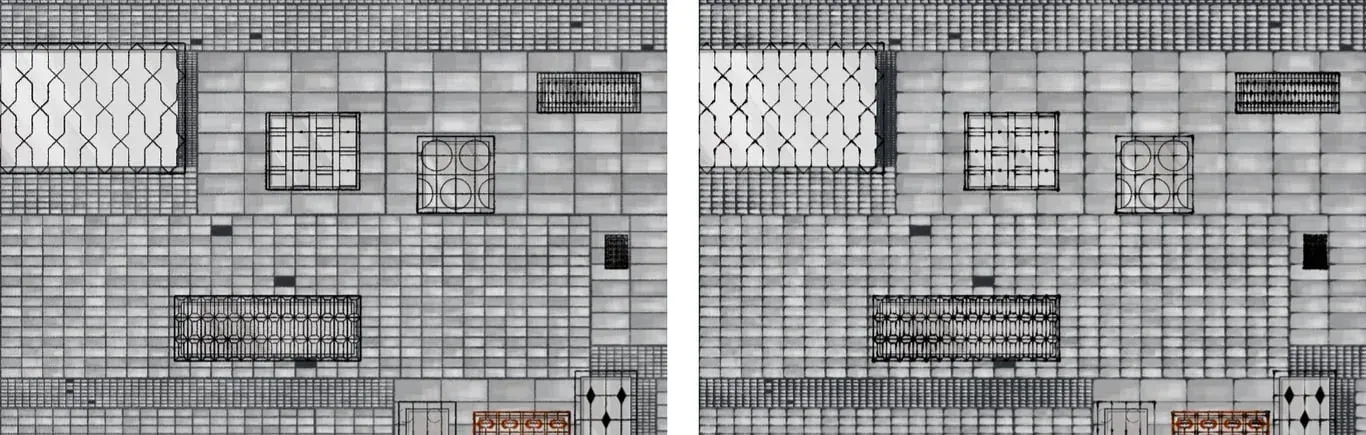
That’s it for the explanation of the work. Thanks for reading.
For those who want to buy
Currently available by DM only.
Finally
I was able to take part in this exhibition thanks to Proof of X (the organizers), KUMALEON (Toshi-san, who started this collaboration within the exhibition), the fxhash developers (who also adjusted a lot of things to make this collaboration happen), and Gin-san (who I heard was the one who decided who could join this program). And also Takawo-san, who suddenly brought me quite a few new Japanese followers on Twitter. Thank you all so much.
Original article ends
Afterword
After finishing this work I got a lot of things out of it that I didn’t expect.
This was my first time using fx(params), so I wasn’t very confident with it, and while making the work I didn’t really like it emotionally either, because part of the decision-making for the work wasn’t in my hands, which made me feel insecure. But later I found that letting collectors adjust the parameters is great, because almost all of the collectors adjusted them really carefully, which kind of made up for the “randomness going out of control” (leaving the result entirely to the program and getting an image that doesn’t look good at all). Some collectors have aesthetic preferences very different from mine, but their results were still great; and one collector (Chang Ming-Yao) spent a whole night adjusting the parameters, which really flattered me.
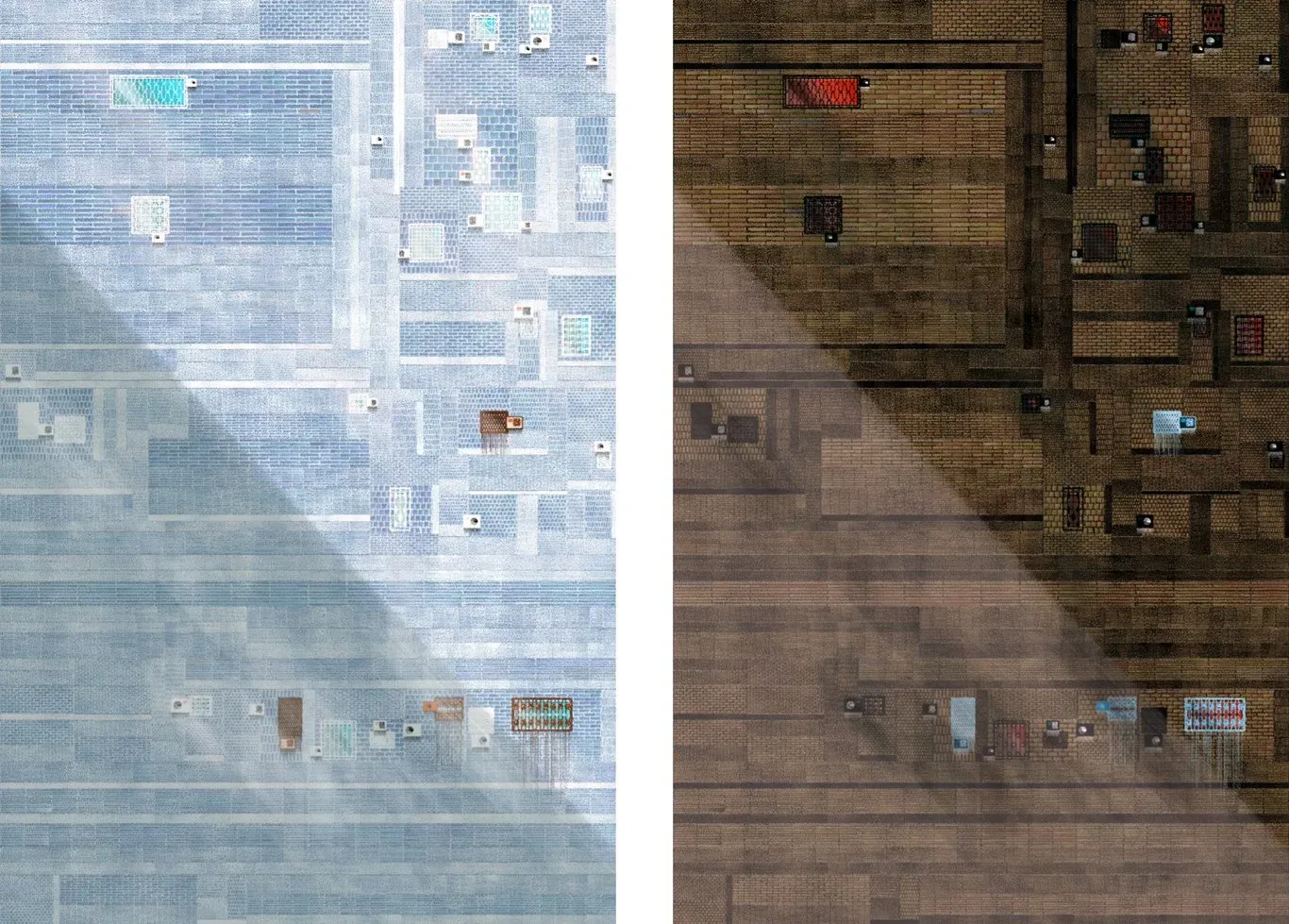
↑ Ming-Yao’s 台灣建築記憶 #18, adjusted on the premise that it should also look good as a negative. Thank you, Ming-Yao
Also, this work was originally only meant to be sold at the venue, but people gradually started asking about it, so I opened a semi-open channel of selling by DM, which let me get to know collectors from Japan, Korea and France. Before, even when a drop sold out quickly, I knew almost nothing about my collectors and had no interaction with them.
Lastly, besides Ming-Yao, Yu-Yin (former editor-in-chief of ARTouch.com), who doesn’t usually write about what she’s collected, and Huang Hsin, who is also very actively making generative art, both posted their thoughts on this work. I’m really grateful for the encouragement and inspiration they gave me.